
Marshall County Current Owner Fields
The WV Real Estate Assessment Property Search gives remote access to the current assessment owner. It serves Marshall County parcels through the statewide portal. The portal itself notes that the county Assessor holds the freshest assessment details. Owner names sit alongside the parcel number, mailing address, situs, deed reference, and legal description. Together these fields tie the roll entry to the parcel. They also point toward the source deed.
| Owner Name | The owner shown on the assessment roll when accessed |
|---|---|
| Situs / Physical Address | The site address associated with the parcel |
| Mailing Address | Where the tax statement is sent |
| Full Parcel ID | The statewide assessment identifier, including district/map/parcel parts |
| Deed Book and Page | A recorded reference for the associated property history |
| Sale Date / Price | Sale information shown in the assessment result when available |
The owner-of-record field is not an occupancy field. It cannot establish who is at the property today, and a trust, LLC, or estate may appear in place of a person. Save the date you accessed the record. The name can change at the next roll refresh. See the WV assessment result for Marshall County. The official property search page displays the categories that lead to the owner record.
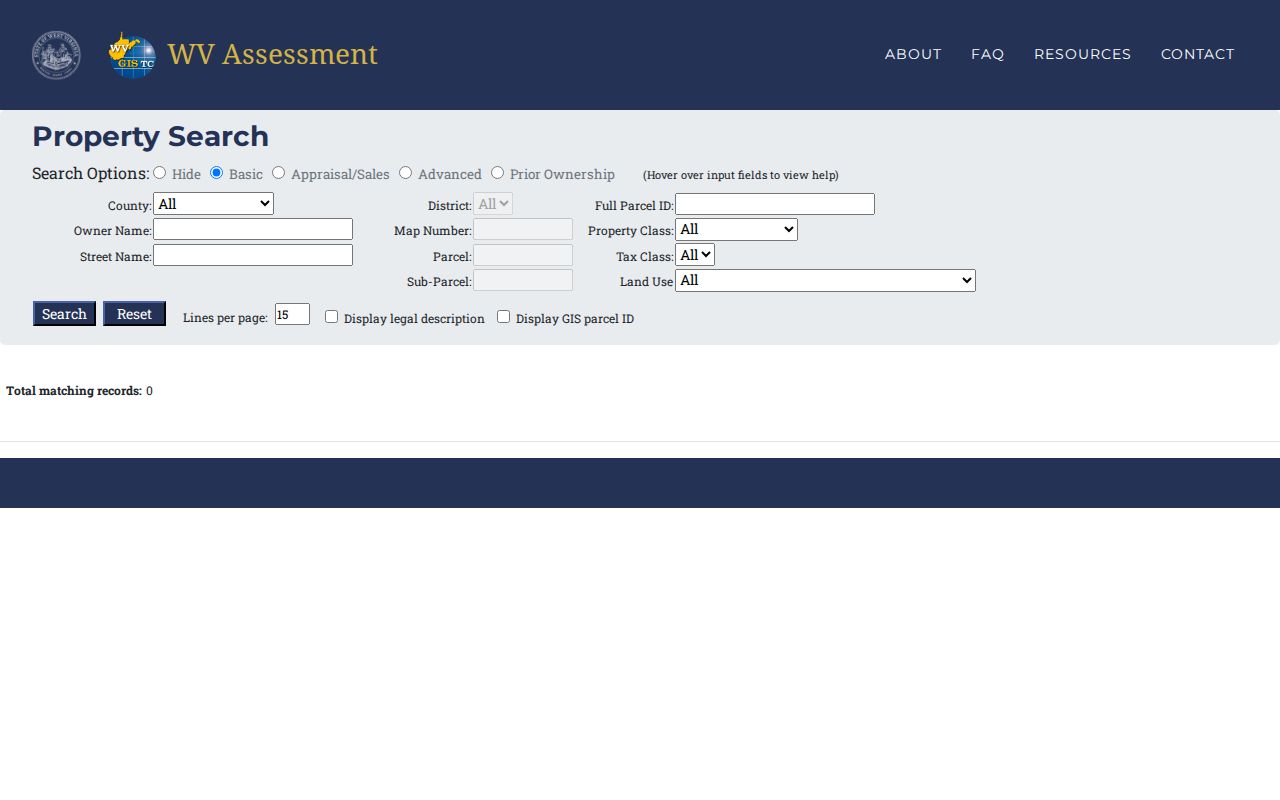
Use the parcel and deed references from the result to confirm the named grantee.
How Current Is the Marshall County Roll?
Every current owner result carries a date boundary. The statewide assessment system itself issues a warning. It says the county Assessor holds the most accurate, up-to-date roll. Even so, that roll can trail a recent recording while data move through county processes. No fixed Marshall County deed-to-roll interval is published. Never promise a number of days or weeks.
A sale may be recent. Set the instrument recording date beside the assessment result and the tax year. The deed may name a new grantee while the assessment still lists the prior owner. Keep both facts with their dates. The deed is the recorded conveyance. The roll is only the assessment display. Ask the Assessor when the update is expected if a record needs correction.
A parcel line can lag even longer than an owner field. The state viewer issues its own warning. New geometry can take several years to appear after a county submits a parcel change. That is a separate update path, not proof that a land transfer failed.
Confirm a Marshall County Current Owner
Verify the roll with the latest recorded deed. The instrument should match the parcel's legal description and identify the grantee, recording information, and any vesting language. Deeds often cite lot, block, or tract wording. The current house address may not appear at all. When two instruments land close in time, compare recording dates and descriptions instead of picking the newest name.
- Open the Assessor result and note Owner Name, parcel ID, legal description, and deed book/page.
- Search the County Clerk’s recorded documents for the most recent matching deed.
- Compare the grantee, recording date, vesting, and land description.
- Ask the Assessor to correct an assessment error; ask the Clerk about a recording copy.
- Owner of record
- The party the assessment roll or recorded instrument names, within that record’s scope.
- Vesting
- How the deed states an interest is held by its grantee.
- Recording lag
- The time between a filed deed and a later assessment or map update.
Marshall County Situs and Mailing Address
The situs address identifies the physical parcel. The mailing address is where the tax statement goes. That mailing address is a tax-notice destination, not proof the named owner lives there. An entity, a trustee, or an owner with several properties may send notices elsewhere, and a different city can reflect postal geography rather than a new parcel location.
Keep the tax district and parcel number beside both addresses in any Marshall County search. Moundsville's Clerk land-book records split town lots between Clay suffix 10 and Washington suffix 11. The Assessor Street Name field can return multiple parcels. Compare each result's situs and legal description first. Only then link the result to a deed.
If the physical address will not search cleanly, drop the number and try the street name alone. A legal description from an older instrument works too. Never swap a mailing address for situs in the map search.
July First and the Current Owner
West Virginia assigns tax responsibility each July 1. It is based on the property's owner, use, and value. The Sheriff's Tax Division then mails statements in July. They go to the owner's last known address on file. That timing creates a common gap. A deed recorded mid-year can easily leave a tax bill still addressed to the prior owner of record. Don't assume a mistake right away. Compare the recording date on the deed with the tax year on the bill.
Two offices split the work here. The Assessor keeps the property record and the valuation. The Sheriff handles billing and payment status. A mismatched bill is a good reason to ask the Tax Office about the account. Ask the Assessor about the tax roll. The deed records, not the bill, settle who actually took title.
Map Cards for a Marshall County Owner
The Assessor's map-card viewer is a strong cross-check for the parcel behind an owner name. The office resource page also carries the GIS link and a valuation explanation. It offers the homestead application and mapping inquiry forms too. Copies of a map card require an office visit. Call 304-845-1490 with the parcel ID or map/parcel details.
A map card supports the property identification step, while the deed confirms the recorded transfer. It replaces neither a plat nor a survey. A split parcel may appear as a new assessment record first. Its shape can reach the WV Property Viewer later.
Open the Marshall County Assessor map-card viewer for parcel context. The official page displays the route the county provides for map-card requests.
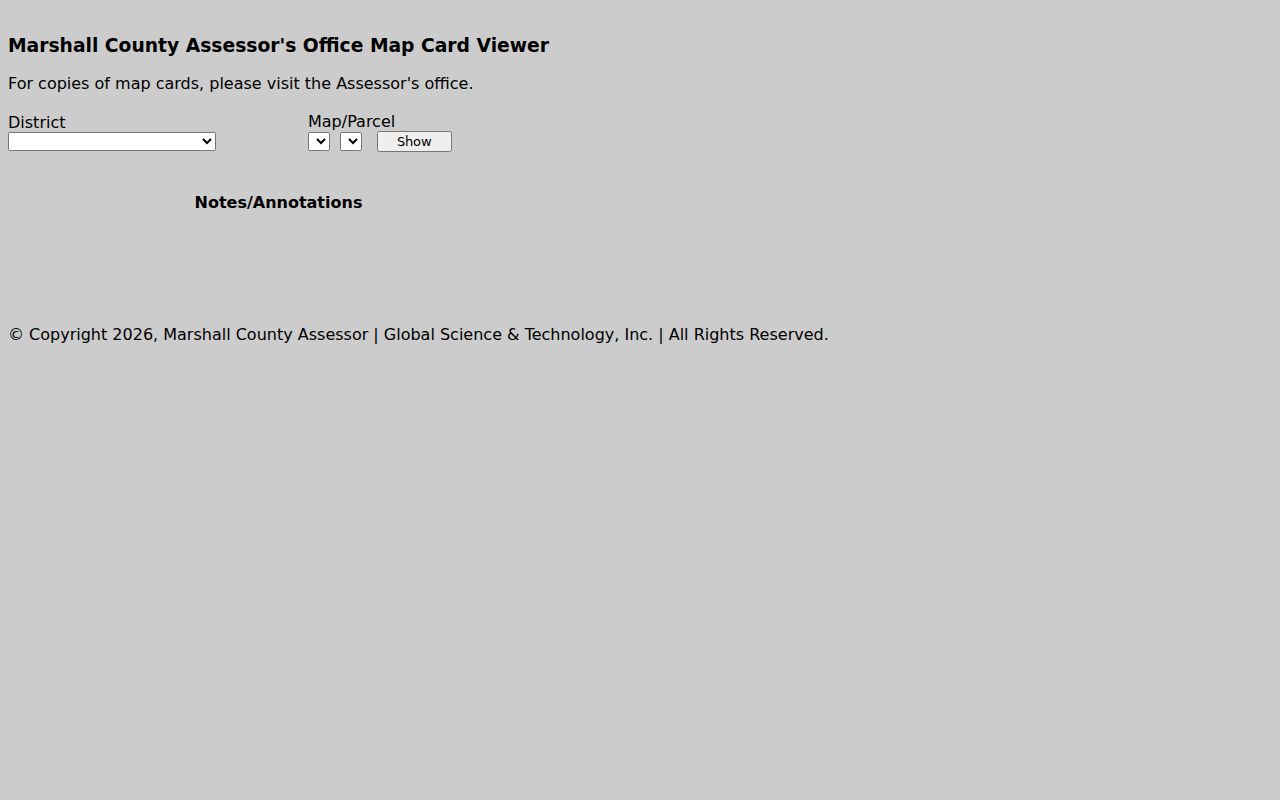
Need a paper copy of a map card? The public instructions point you to the Assessor's office rather than a download link, so plan on a visit.
Marshall County Entity and Estate Owners
A Marshall County owner of record can be an LLC. It can also be a trust, a fiduciary, or an estate. Search the entity name exactly as the deed spells it. Use the West Virginia Business Entity Search. That tool returns type, status, address, creation date, and registered agent. Those details describe the organization. They do not name every beneficial owner. They also cannot prove ownership of a parcel, because only the deed ties the entity to that land.
Probate records can explain a fiduciary's authority. The county form asks for each property by legal description. Oil and gas interests count too. A will, an appointment, or an estate filing may show how a transfer moved. For the new grantee, the deed out of the estate is the record to check. Keep the estate case reference with the parcel number.
Correcting a Current Owner Entry
What if the recorded deed is right? The assessment Owner Name may still look stale or misspelled. Contact the Marshall County Assessor at 304-845-1490. Have the Full Parcel ID ready, plus the exact owner spelling, deed reference, and date. The Assessor's resource page offers taxpayer inquiry and mapping forms. A deed error is different. That belongs to the County Clerk and may call for legal help.
No standard correction form or guaranteed processing period exists for an owner-name change. Ask the office what supporting record it wants. Ask whether a new assessment printout follows the fix. Keep a copy of your request and the record behind it.
Limits of the Current Owner Record
The Marshall County current owner field is one snapshot of an assessment record. It is not a title certificate. It is not a list of occupants. The entry may lag a recent sale or carry an entity name. It can also show a mailing address outside the county. Confirm ownership with the latest recorded deed. Get a title review when the legal stakes demand it.
Use records with care. A public owner name is for lawful property research, tax questions, and purchase diligence. Do not use it to follow, threaten, or harass a person.